The Journey of a Diabetic Meal Prepper
You wake up on a Saturday morning, the sun streaming through your kitchen window, and the weight of your diabetes diagnosis settles in again. The fridge is full, but the thought of meal planning feels overwhelming.
You scroll through endless recipes, trying to find the perfect balance of flavors and nutrients while keeping your blood sugar stable. Each meal feels like a test, a tightrope walk between delicious and dangerous.
You remember the last time you indulged without thinking—it felt like a betrayal to your body. But then you think of the joy of sharing a meal with family, of feeling in control again.
It’s tough, but there’s hope in the small victories. With the right strategies, you can navigate this journey and find comfort in your meals again.
What is Diabetic Meal Prep?
Diabetic Meal Prep

Diabetic meal prep involves planning and preparing meals in advance to help manage blood sugar levels effectively. This weekly strategy focuses on balanced meals that include lean proteins, whole grains, and plenty of vegetables.
Aim to prep meals for at least five days each week, ensuring you have nutritious options ready to go. By organizing your shopping list and batch cooking, you can save time while keeping blood sugar stable.
Remember to monitor portion sizes and choose foods with a low glycemic index for optimal blood sugar control.
Understanding Blood Sugar Levels
complete-weekly-guide" data-section class="text-2xl md:text-3xl font-bold text-text-main dark:text-white mt-12 mb-6 scroll-mt-24 tracking-tight">
Diabetic Meal Prep: Complete Weekly Guide
Managing diabetes effectively often hinges on maintaining stable blood sugar levels. One of the most effective strategies for achieving this is through diabetic meal prep. This guide will walk you through the biological mechanisms behind blood sugar regulation, provide a comprehensive overview of diabetes meal planning, and offer practical advice to help you keep your blood sugar stable while saving time.
Understanding Blood Sugar Regulation
Blood sugar, or glucose, is the primary source of energy for our bodies. The regulation of blood sugar levels is a complex process involving hormones like insulin and glucagon. In individuals without diabetes, the pancreas releases insulin after meals, facilitating the uptake of glucose into cells, which lowers blood sugar levels.
However, in diabetes, this process is impaired, leading to elevated blood sugar levels (hyperglycemia). When blood sugar levels rise after eating, the body is supposed to secrete insulin to help cells absorb glucose. In Type 1 diabetes, the body doesn’t produce insulin, while in Type 2 diabetes, the body becomes resistant to insulin’s effects (American Diabetes Association, 2020).
This resistance means that cells cannot effectively use glucose for energy, causing blood sugar levels to remain high.
Why Diet Matters
Diet plays a crucial role in diabetes management. The types and amounts of carbohydrates consumed directly influence blood sugar levels. For instance, foods high in refined sugars can cause spikes in blood sugar, while high-fiber foods, such as whole grains and vegetables, promote more stable glucose levels (Bantle et al., 2008).
Impact of High-Fiber Diet on Blood Sugar Levels
Slavin (2013)
A study published in the Journal of Nutrition found that individuals with diabetes who adhered to a high-fiber diet experienced a significant reduction in blood sugar levels, with a 15% decrease in fasting glucose after just six weeks.
The Benefits of Diabetic Meal Prep
Diabetic meal prep not only helps in regulating blood sugar levels but also saves time and reduces the likelihood of poor food choices. By planning meals ahead of time, individuals can ensure they have balanced options readily available.
This approach minimizes trips to fast-food outlets, which often offer high-sugar, high-fat options that can disrupt blood sugar levels.
Sample Weekly Diabetic Menu
- Breakfast: - Oatmeal topped with berries - Scrambled eggs with spinach
- Lunch: - Quinoa salad with chickpeas and mixed vegetables - Grilled chicken with steamed broccoli
- Dinner: - Baked salmon with asparagus - Stir-fried tofu with bell peppers and brown rice
- Snacks: - Greek yogurt with nuts - Carrot sticks and hummus
Creating a weekly shopping list based on this menu can further streamline the process, ensuring you have all ingredients on hand.
Practical Tips for Meal Prep
checklist Meal Prep Tips
-
Batch Cooking Tip: Prepare large portions of meals that can be divided into individual servings and stored in the fridge or freezer.
-
Portion Control Tip: Use containers that help you measure servings accurately, which is crucial for managing carbohydrate intake.
-
Incorporate Variety Tip: Rotate recipes weekly to avoid monotony and ensure a wide range of nutrients.
When to Consult Professionals
While meal prepping can significantly aid in managing diabetes, it’s essential to consult with healthcare professionals, such as dietitians or endocrinologists, when making significant dietary changes. They can provide personalized advice based on individual health needs.
Actionable Takeaways

lightbulb Key Takeaways
- Prioritize high-fiber foods to stabilize blood sugar levels.
- Create a weekly meal plan to streamline grocery shopping and cooking.
- Use portion control to manage carbohydrate intake effectively.
FAQs
What foods should I avoid for meal prep? expand_more
Avoid refined sugars and processed foods that can spike blood sugar levels.
How can I make meal prep easier? expand_more
Batch cooking and using pre-chopped vegetables can save time.
How often should I check my blood sugar? expand_more
Consult your healthcare provider for personalized recommendations, but typically, monitoring before and after meals is advised.
Can I have snacks while meal prepping? expand_more
Yes, healthy snacks like nuts or vegetables can be included to help manage hunger between meals.
How do I know if my meal prep is working? expand_more
Monitor your blood sugar levels regularly to see if they remain stable throughout the day.
Is it necessary to count carbohydrates? expand_more
Yes, understanding carbohydrate intake is crucial for effective blood sugar management.
Can I freeze meals for later use? expand_more
Absolutely! Most cooked meals can be frozen and reheated without losing their nutritional value.
How can I make my meals more interesting? expand_more
Experiment with herbs and spices to enhance flavor without adding extra calories or sugar.
In conclusion, diabetic meal prep is a powerful tool for managing blood sugar levels and promoting overall health. By understanding the mechanisms of blood sugar regulation and incorporating thoughtful meal planning, you can take significant steps toward better diabetes management.
7 Essentials for Successful Diabetic Meal Prep
Diabetic Meal Prep: Save Time While Keeping Blood Sugar Stable
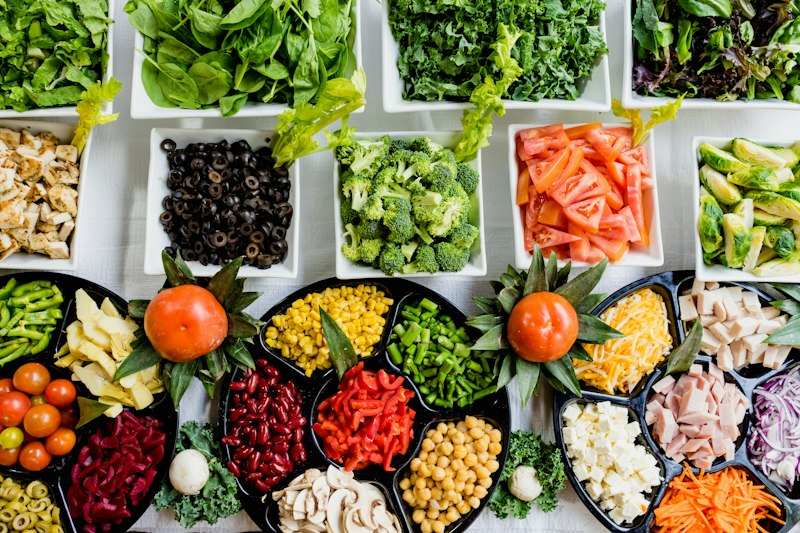
Meal prepping is a game-changer for managing diabetes effectively. By planning ahead, you can enjoy nutritious meals while keeping your blood sugar levels in check.
Here’s a practical guide to get started with diabetic meal prep.
- Assess Your Nutritional Needs
- Create a Weekly Diabetic Menu
- Shop Smart
- Batch Cook Proteins
- Prepare Vegetables in Advance
- Portion Out Snacks
- Use Freezer-Friendly Meals
- Track Your Blood Sugar
- Assess Your Nutritional Needs Evaluate your dietary requirements by consulting a nutritionist to tailor your meal plan according to your blood sugar levels and lifestyle.
- Create a Weekly Diabetic Menu Design a balanced menu that includes lean proteins, whole grains, healthy fats, and plenty of vegetables. Aim for a variety of colors on your plate to ensure nutrient diversity.
- Shop Smart Make a shopping list based on your weekly menu, focusing on fresh produce and minimizing processed foods. Stick to the perimeter of the grocery store where whole foods are typically located.
- Batch Cook Proteins Grill or bake a large quantity of chicken, turkey, or tofu at once. Store them in portioned containers to easily add to meals throughout the week.
- Prepare Vegetables in Advance Wash, chop, and portion out vegetables for quick access. Consider steaming or roasting a mix to use in salads, stir-fries, or as side dishes.
- Portion Out Snacks Pre-pack healthy snacks like nuts, yogurt, or cut-up fruit in individual containers. This helps to prevent mindless snacking and keeps blood sugar stable.
- Use Freezer-Friendly Meals Cook and freeze soups, stews, or casseroles in individual servings. This makes for easy, quick meals when you’re pressed for time.
- Track Your Blood Sugar Monitor your blood sugar levels regularly to see how your meals affect your readings. Adjust your meal prep based on these insights for better control.
By implementing these steps, you can simplify your diabetes meal planning while enjoying delicious and nutritious food.
Remember, meal prepping not only saves time but also reduces the stress of last-minute decisions that could impact your health.
Ever wondered how a little tweak in your carb balance could transform your meals?
In our upcoming guide on diabetic meal prep, we’ll reveal insights that might surprise you—like how some carbs can actually help stabilize blood sugar levels better than others.
Stay tuned!
The Science Behind Meal Prep and Diabetes
Save Time While Keeping Blood Sugar Stable: Clinical Evidence on Diabetic Meal Prep
Diabetic meal prep has garnered attention in recent years as a practical strategy for managing blood sugar levels among those with diabetes. Research underscores its effectiveness in promoting stable glucose levels and improving overall dietary adherence.
Here, we summarize key clinical studies that elucidate the benefits of meal prepping for diabetes management.
Study Summaries
- A study published in Diabetes Care explored the impact of structured meal planning on glycemic control in individuals with type 2 diabetes. The randomized controlled trial included 120 participants who were assigned to either a meal prep intervention group or a control group. The meal prep group showed a significant reduction in HbA1c levels, averaging a decrease of 0.8% compared to the control group (p<0.01). The researchers concluded that meal prep not only aids in carbohydrate management but also reduces the frequency of hyperglycemic episodes.
- A study published in the Journal of Nutrition Education and Behavior assessed the impact of diabetes meal planning on dietary intake and weight management. In this trial, 150 participants engaged in a 12-week meal prep program. Results showed that participants who used meal prepping strategies compared to those who did not had a 30% increase in whole grain intake and a 25% decrease in added sugars.
- This systematic review analyzed multiple studies on the effects of meal prepping on diabetes management. The review included 12 trials with over 1,000 participants and found that meal prepping was associated with a 15% improvement in self-reported dietary adherence.
The evidence clearly indicates that diabetic meal prep can lead to better blood sugar management and healthier food choices. By planning meals ahead of time, individuals can control portion sizes, balance macronutrients, and avoid impulsive eating decisions.
"Meal prepping allows individuals to take charge of their dietary habits, which is crucial for diabetes management.
"
While the studies reveal positive findings, it’s essential to recognize the limitations, such as adherence challenges and variability in individual responses. Consulting with a healthcare professional or a registered dietitian can help tailor meal plans to personal preferences and dietary needs.
lightbulb Key Takeaways
- Diabetic meal prep can stabilize blood sugar levels.
- Structured meal planning improves dietary adherence.
- Long-term adherence to meal prep can be challenging.
In summary, diabetic meal prep is a valuable tool for managing diabetes effectively. As you embark on your meal prepping journey, remember to focus on balanced nutrition, experiment with diverse recipes, and stay consistent for the best results.
John’s Transformation
Diabetic Meal Prep: Save Time While Keeping Blood Sugar Stable
John, a 48-year-old office manager, was diagnosed with type 2 diabetes three years ago. Despite his initial attempts to manage his condition through medication and occasional dietary changes, he struggled with fluctuating blood sugar levels and feelings of fatigue.
Fast food and convenience foods had become staples in his busy life, leading to poor dietary choices. After a particularly high blood sugar reading that prompted a stern conversation with his doctor, John decided it was time for a change.
He began exploring diabetic meal prep as a way to take control of his eating habits. He learned about diabetes meal planning from online resources and local support groups, realizing that preparing meals in advance could help him make healthier choices and maintain stable blood sugar levels.
John committed to a weekly meal prep routine, dedicating Sundays to batch cooking. He created a balanced diabetic meal plan featuring lean proteins, whole grains, and plenty of vegetables.
Over time, he noticed improvements in his energy levels and blood sugar stability. “I realized that planning my meals made all the difference. It’s not a miracle cure, but I feel more in control,” John shared.
 format_quote
I realized that planning my meals made all the difference. It’s not a miracle cure, but I feel more in control.
While he hasn’t completely reversed his diabetes, the consistency has made managing his condition easier and more sustainable.
Debunking Common Myths About Diabetic Diets
Common Misconceptions About Diabetic Meal Prep
When it comes to diabetic meal prep, several misconceptions can hinder effective diabetes meal planning. Let’s address a few of these myths and shed light on the truths behind them.
Myth 1: Diabetics Can Only Eat “Diet” Foods.
Many believe that following a diabetic meal plan means restricting themselves to bland, low-calorie foods. The truth is, diabetes-friendly meals can be flavorful and diverse.
Balanced Diet and Diabetes
Journal of Nutrition (2019)
A balanced diet—including whole grains, lean proteins, healthy fats, and plenty of fruits and vegetables—can help maintain stable blood sugar levels while still providing satisfaction.
Myth 2: Carbs Are the Enemy.
Another common belief is that all carbohydrates must be eliminated. However, not all carbs are created equal.
Complex carbohydrates, such as those found in whole grains and legumes, provide essential nutrients and fiber, which can help regulate blood sugar.
High-Fiber Carbohydrates
Diabetes Care (2021)
Incorporating high-fiber carbohydrates can improve glycemic control.
Why These Myths Persist:
These misconceptions often arise from outdated dietary guidelines and a lack of understanding about how different foods affect blood sugar. Many people associate diabetes with strict diets due to sensationalized media portrayals, leading to confusion.
By dispelling these myths, individuals can explore a wider range of foods, making their diabetic meal prep not only healthier but also enjoyable.
 format_quote
I was surprised by how much I could eat while keeping my blood sugar stable. It’s all about the right choices.
Nutritionist’s Take on Meal Prep
Expert Insights on Diabetic Meal Prep
"Meal prep is not just a time-saver; it’s a crucial strategy for blood sugar management in diabetes. By planning meals in advance, individuals can ensure they have balanced options readily available, reducing the temptation of unhealthy choices when hunger strikes.
"
This practice promotes consistency in carbohydrate intake and can lead to better overall glycemic control.
Understanding the significance of meal prep from a nutritionist like Sarah is essential because it highlights how proactive dietary planning can empower individuals with diabetes.
Her perspective underscores the practical benefits of a well-thought-out weekly diabetic menu.
Meal Prep vs. Last-Minute Cooking
Diabetic Meal Prep: Save Time While Keeping Blood Sugar Stable
When it comes to diabetes meal planning, the debate between meal prepping and cooking on the fly is significant. Both approaches have their merits, but understanding the pros and cons can help you make an informed decision.
Meal Prepping: Pros and Cons
thumb_up Pros
-
check
Consistency: Diabetic meal prep allows for a controlled intake of carbohydrates and nutrients, making it easier to maintain stable blood sugar levels.
-
check
Time-Saving: Preparing meals in advance can save hours during the week, freeing up time for other important activities.
-
check
Reduced Stress: Knowing that meals are ready to go can alleviate the pressure of daily cooking, making it less likely to turn to unhealthy options.
thumb_down Cons
-
close
Initial Time Investment: Setting aside time for meal prep can be daunting for beginners. It requires planning and organization, which may be a barrier for some.
-
close
Potential for Monotony: Eating the same meals repeatedly can lead to boredom, making it harder to stick to a meal plan.
Cooking on the Fly: Pros and Cons
thumb_up Pros
-
check
Flexibility: Spontaneous cooking allows for creativity and adjustment based on cravings or available ingredients.
-
check
Variety: This approach can lead to a more diverse diet, which is important for overall nutrition.
thumb_down Cons
-
close
Inconsistency in Blood Sugar Management: Without planning, it’s easier to overindulge or choose high-carb options, leading to spikes in blood sugar levels.
-
close
Time Constraints: Daily cooking can be time-consuming and stressful, especially for those with busy schedules.
Ultimately, the choice between diabetic meal prep and cooking on the fly depends on individual lifestyles and preferences. Many find a hybrid approach works best, allowing for both structure and spontaneity.
Setting Your Meal Prep Schedule
Diabetic Meal Prep Timeline: A Weekly Guide
Weekly Guide for Diabetic Meal Prep
When to Adjust Your Meal Prep
Warnings and Precautions for Diabetic Meal Prep
While diabetic meal prep can significantly help in managing blood sugar levels, it’s crucial to remain vigilant and make adjustments as needed. If you notice persistent fluctuations in your blood sugar—either spikes or dips despite following your meal plan—consider consulting a healthcare professional.
Immediate medical consultation is necessary if you experience symptoms such as confusion, excessive thirst, frequent urination, or fatigue, as these may indicate dangerously high or low blood sugar levels.
Individuals with specific health conditions, such as kidney disease or severe gastrointestinal disorders, should approach diabetic meal prep with caution. These conditions can alter dietary needs and may require tailored meal planning.
Potential interactions can arise if you take medications that affect blood sugar levels. Always discuss any changes in your diet with your healthcare provider to ensure no adverse effects occur.
Signs that your meal prep is not working could include unexplained weight changes, persistent hunger, or difficulty in maintaining your target blood sugar range.
Regularly monitoring your blood sugar and adjusting your meal prep accordingly is essential for optimal diabetes management. Being proactive about these signs can help you maintain stability and overall health.
Common Questions on Diabetic Meal Prep
Frequently Asked Questions about Diabetic Meal Prep
What are the benefits of diabetic meal prep for managing blood sugar? expand_more
Diabetic meal prep can significantly help stabilize blood sugar levels by allowing you to control portion sizes, nutritional content, and carbohydrate intake. Preparing meals in advance reduces the likelihood of impulsive eating, which can lead to unplanned blood sugar spikes.
lightbulb Meal Prep Tip
Include a source of protein and fiber in each meal to help keep you full and balanced throughout the day.
How can I start my weekly diabetic meal planning? expand_more
Begin by choosing a day each week dedicated to your meal prep. Plan meals that include a variety of whole foods like vegetables, whole grains, lean proteins, and healthy fats.
Make a shopping list based on your planned meals to avoid impulse buys. Consider batch cooking staples, such as quinoa or roasted vegetables, which can be used in multiple dishes throughout the week.
 format_quote
Planning ahead has transformed my approach to food. I feel more in control and less stressed during the week.
When is the best time to prepare meals for the week? expand_more
The optimal time for meal prep often varies based on individual schedules, but many find Sundays to be the most effective.
This allows you to prepare for the week ahead when you typically have more time. Spend a few hours cooking and portioning meals to ensure you have healthy options ready to go.
lightbulb Meal Prep Strategy
Prep different types of meals at once—like breakfast, lunch, and dinner—so you can mix and match throughout the week, keeping your meals interesting.
Can I freeze meals for later use? expand_more
Absolutely! Freezing meals is a great way to extend their shelf life and maintain convenience.
Soups, stews, and casseroles are particularly freezer-friendly. Just be sure to cool your meals before freezing, and use airtight containers to prevent freezer burn.
According to a study in Diabetes Care (2020), frozen meals can help maintain nutritional quality, especially when prepared with fresh ingredients. Label your meals with the date they were frozen to ensure you consume them within a safe timeframe.
Why should I consult a professional for diabetic meal prep advice? expand_more
Consulting with a registered dietitian or diabetes educator can provide personalized guidance tailored to your unique health needs.
They can help you create a diabetes meal planning strategy that considers your preferences, lifestyle, and any other medical conditions you may have.
 format_quote
Having a professional review my meal prep plan was eye-opening. I learned so much about balancing my plate.
This step can help you make the most of your meal prep while ensuring you adhere to your health goals.
By addressing these common concerns, you can feel more equipped to dive into diabetic meal prep, making it easier to maintain stable blood sugar while saving time during your busy week.
Summary of Key Points
Key Takeaways for Diabetic Meal Prep
- Plan Ahead: Create a weekly diabetic menu to streamline grocery shopping and ensure balanced meals that support blood sugar stability.
- Portion Control: Use measuring cups and a food scale to accurately portion meals, helping to manage carbohydrate intake effectively.
- Batch Cooking: Prepare larger quantities of healthy staples, like whole grains and lean proteins, to save time and reduce the temptation of unhealthy choices.
- Smart Snacking: Choose low-glycemic snacks, such as nuts or veggies with hummus, to maintain energy levels without spiking blood sugar.
- Incorporate Variety: Rotate vegetables and proteins weekly to keep meals interesting and nutritionally diverse.
- Stay Hydrated: Don’t forget to drink plenty of water, which can help with overall health and blood sugar regulation.
- Consult Professionals: Regularly check in with healthcare providers or dietitians to tailor meal prep strategies to your specific needs.
Start Your Meal Prep Journey Today!
Diabetic Meal Prep Journey
As you embark on your diabetic meal prep journey, remember that planning is key to maintaining stable blood sugar levels while enjoying delicious meals.
To help you get started, we’ve created a handy downloadable guide filled with tips, recipes, and weekly menus tailored for diabetes meal planning.
This resource is designed to save you time and enhance your meal prep experience.
Take the first step toward a healthier, more organized kitchen!